Introduction
A well-maintained home is the result of consistent attention to both visible and hidden systems. From the roof that protects against the elements to the drainage systems that manage water flow, every component plays a role in maintaining safety, comfort, and long-term value. When one system begins to fail, it often places strain on others, leading to a chain reaction of issues that can quickly become costly and disruptive.
Many homeowners approach repairs reactively, addressing problems only after they become obvious. While this approach may seem cost-effective in the short term, it often leads to larger, more expensive repairs over time. A proactive strategy, on the other hand, focuses on early detection, routine maintenance, and timely upgrades. This helps prevent emergencies, extends the lifespan of systems, and ensures that the home continues to function efficiently.
Understanding how different systems interact is key to effective maintenance. For example, poor roof drainage can lead to foundation issues, while clogged drains can impact plumbing performance throughout the home. By viewing the home as an interconnected system, homeowners can make smarter decisions about repairs and upgrades.
This guide provides a comprehensive look at essential home repair and maintenance strategies. It covers everything from structural protection and drainage systems to heating performance and entry systems, offering practical insights that help homeowners protect their investment and avoid common pitfalls.
Protect Your Home from the Top Down with Proper Roof Care
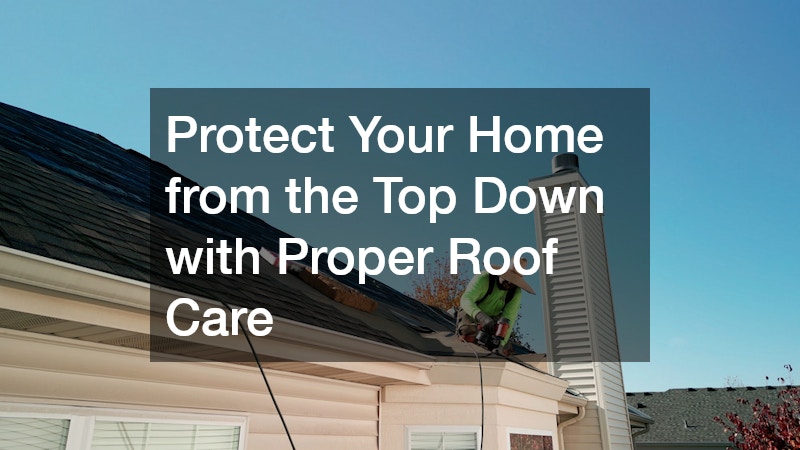
A strong, well-maintained roof is essential for protecting the entire structure of a home. Working with a professional roofing company ensures that inspections, maintenance, and repairs are handled correctly, reducing the risk of long-term damage.
Roof repair should never be delayed, as even small issues like missing shingles or minor leaks can escalate quickly. Water infiltration can damage insulation, weaken structural components, and lead to mold growth if not addressed promptly.
Key signs that roof attention is needed include:
- Missing, cracked, or curling shingles
- Water stains on ceilings or walls
- Sagging rooflines or uneven surfaces
- Granule loss in gutters
- Increased energy bills due to poor insulation
Routine maintenance helps extend the life of roofing materials. Seasonal inspections, especially after storms, allow homeowners to catch problems early. Proper ventilation and insulation also play a role in maintaining roof integrity by preventing moisture buildup and temperature fluctuations.
Choosing the right materials and ensuring proper installation are critical factors in long-term performance. Professional oversight ensures that repairs are completed to code and that the roof continues to provide reliable protection.
Maintain Exterior Surfaces to Prevent Moisture Intrusion
Exterior surfaces act as a protective barrier against environmental elements. Over time, exposure to weather can cause wear and damage, making stucco repair an essential part of home maintenance.
Cracks in stucco may seem minor, but they can allow moisture to penetrate beneath the surface. This can lead to structural damage, mold growth, and deterioration of underlying materials.
Common causes of exterior damage include:
- Temperature fluctuations causing expansion and contraction
- Water intrusion from poor drainage
- Impact damage from debris or landscaping equipment
- Aging materials losing flexibility and strength
Preventative care includes regular inspections, sealing small cracks, and ensuring proper drainage around the home. When repairs are needed, addressing them promptly prevents more extensive damage.
Professional repair services can match textures and finishes, maintaining both functionality and visual appeal. Long-term maintenance ensures that exterior surfaces continue to protect the home effectively.
In addition to visible damage, homeowners should pay attention to subtle warning signs such as discoloration, bubbling, or soft spots in the stucco surface. These often indicate moisture trapped beneath the exterior layer. Addressing these early can prevent widespread deterioration. It is also important to inspect areas around windows, doors, and rooflines, where water intrusion is most likely to occur. Proper sealing and flashing in these areas significantly reduce the risk of hidden damage. Regular cleaning of exterior walls can also help identify issues sooner and maintain the appearance of the home while extending the lifespan of the material.
Keep Water Flowing Away from Your Home Efficiently
Gutters play a critical role in directing water away from the home’s foundation. When they become clogged or damaged, water can accumulate and cause significant structural issues, making gutter repair a priority.
Improper drainage can lead to:
- Foundation cracks and shifting
- Basement flooding or moisture buildup
- Soil erosion around the property
- Damage to siding and exterior finishes
Routine maintenance includes cleaning gutters, checking for leaks, and ensuring proper alignment. Downspouts should direct water far enough away from the foundation to prevent pooling.
Homeowners should also consider installing gutter guards to reduce debris buildup and minimize maintenance requirements. Regular inspections ensure that the system continues to function effectively.
Properly maintained gutters protect not only the exterior of the home but also its structural integrity over time.
Another important consideration is seasonal performance. During heavy rain or snowmelt, gutters must be able to handle increased water volume without overflowing. Ice dams in colder climates can also block proper drainage and cause water to back up under roofing materials. Ensuring proper insulation and ventilation in the attic can help prevent these issues. Additionally, extending downspouts or installing drainage systems such as splash blocks or underground piping can further improve water management and reduce long-term risk.
Address Underground Issues Before They Escalate
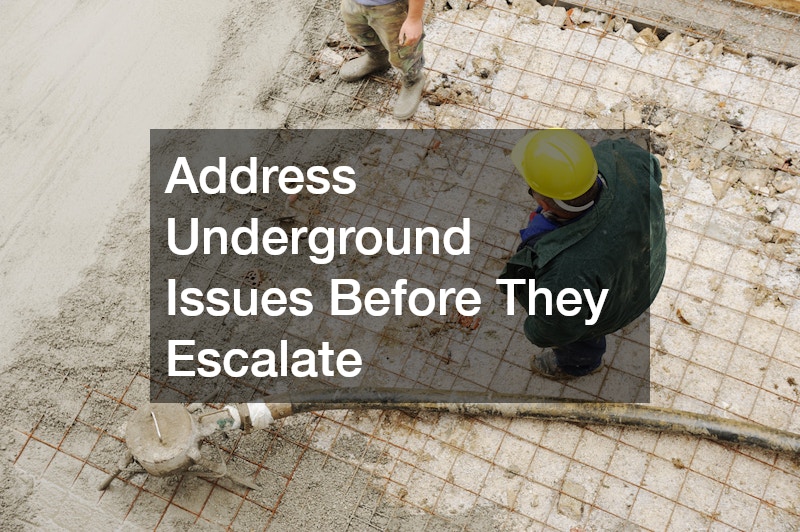
Problems below the surface can be difficult to detect until they become severe. Sewer line repair and septic tank repairs are essential for maintaining a functional and sanitary home environment.
Warning signs of underground issues include:
- Slow drains or frequent backups
- Unpleasant odors around the property
- Lush patches of grass indicating leaks
- Gurgling sounds in plumbing systems
Regular inspections using modern diagnostic tools, such as camera inspections, can identify problems early. Preventative maintenance helps avoid costly repairs and ensures that systems operate efficiently.
Septic systems require periodic pumping and inspection to prevent overflow and contamination. Sewer lines, on the other hand, may require cleaning or repair to address blockages or structural damage.
Addressing these issues promptly protects both the home and the surrounding environment.
Homeowners should also be aware of external factors that can impact underground systems. Tree roots are a common cause of pipe damage, as they naturally seek out moisture and can infiltrate small cracks in sewer lines. Soil shifting due to weather conditions or construction activity can also put pressure on underground pipes. Preventative measures such as root barriers, regular inspections, and mindful landscaping can help reduce these risks. Maintaining proper water usage habits inside the home also prevents unnecessary strain on septic systems and sewer lines.
Maintain Clean and Functional Drainage Systems Inside the Home
Drainage systems inside the home require consistent attention to prevent clogs and maintain efficiency. Drain cleaning is a simple yet essential maintenance task that helps avoid more serious plumbing issues.
Common causes of clogged drains include:
- Grease buildup in kitchen sinks
- Hair accumulation in bathroom drains
- Foreign objects entering plumbing systems
- Mineral deposits from hard water
Preventative habits can reduce the likelihood of clogs, such as using drain screens and avoiding improper disposal of waste materials. Regular cleaning keeps water flowing smoothly and prevents backups.
Professional cleaning services use specialized tools to remove buildup without damaging pipes. Avoiding harsh chemical cleaners also helps preserve plumbing integrity.
Maintaining clean drains improves overall system performance and reduces the risk of costly repairs.
In addition to routine cleaning, homeowners should monitor how quickly water drains in sinks, tubs, and showers. Slow drainage is often an early indicator of buildup within pipes. Addressing this early with mechanical cleaning methods, such as augers or hydro-jetting, can prevent full blockages. Establishing a routine cleaning schedule—especially in high-use areas like kitchens and bathrooms—helps maintain consistent performance. Educating household members on proper disposal practices also plays a significant role in preventing recurring issues.
Ensure Efficient Heating Performance Throughout the Year
Heating systems are essential for maintaining comfort, especially during colder months. Furnace repairs ensure that systems operate efficiently and safely.
Signs of furnace issues include:
- Uneven heating throughout the home
- Unusual noises during operation
- Increased energy consumption
- Frequent cycling on and off
Routine maintenance, including filter changes and system inspections, helps prevent breakdowns. Addressing minor issues early reduces the risk of major failures.
Safety is also a critical consideration. Faulty heating systems can pose risks such as carbon monoxide leaks, making professional inspections essential.
Keeping heating systems in good condition ensures reliable performance and long-term efficiency.
Homeowners should also consider upgrading older systems that no longer operate efficiently. Modern furnaces offer improved energy efficiency, better temperature control, and enhanced safety features. Installing programmable or smart thermostats can further optimize performance by adjusting heating based on usage patterns. Regularly checking vents and ensuring they are not blocked by furniture or debris also improves airflow and system effectiveness.
Optimize Indoor Comfort with Professional System Oversight
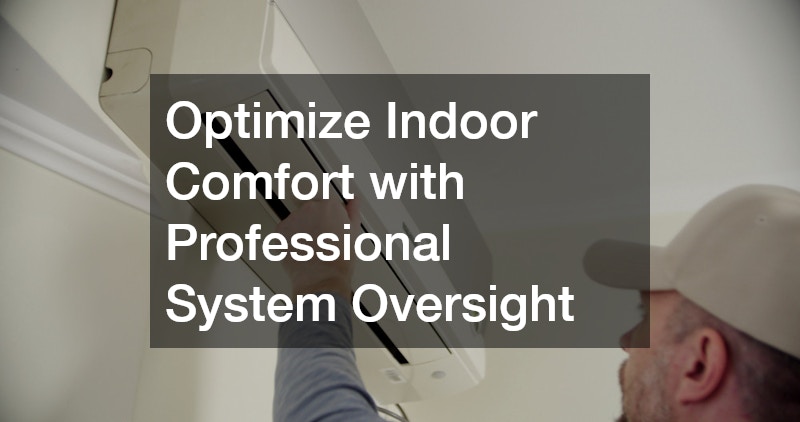
An HVAC company plays a vital role in maintaining indoor comfort and air quality. Heating and cooling systems must operate efficiently to provide consistent temperature control and energy savings.
Regular maintenance includes:
- Cleaning and replacing filters
- Inspecting ductwork for leaks
- Calibrating thermostats
- Checking refrigerant levels
Upgrading systems can improve efficiency and reduce energy costs. Modern HVAC systems often include smart controls that allow homeowners to monitor and adjust performance remotely.
Proper airflow and system balance are essential for maintaining comfort throughout the home. Professional oversight ensures that systems operate at peak efficiency.
Indoor air quality is another important factor. Dust, allergens, and pollutants can accumulate in duct systems over time, affecting health and comfort. Periodic duct cleaning and the use of high-quality air filters can significantly improve air quality. Additionally, zoning systems allow different areas of the home to be heated or cooled independently, improving both comfort and efficiency. Investing in regular maintenance plans ensures consistent performance and helps identify potential issues before they become costly repairs.
Improve Access, Security, and Functionality of Entry Systems
Garage door installation enhances both convenience and security. Modern systems offer improved insulation, safety features, and durability.
Key considerations when selecting a garage door include:
- Material and insulation properties
- Security features such as automatic locking systems
- Noise reduction and smooth operation
- Compatibility with smart home systems
Proper installation ensures that the door operates safely and efficiently. Regular maintenance, including lubrication and inspection of moving parts, helps prevent malfunctions.
Upgrading entry systems improves both functionality and curb appeal, adding value to the home.
Beyond installation, ongoing maintenance is essential for ensuring long-term reliability. Components such as springs, cables, and rollers experience wear over time and should be inspected regularly. Safety sensors should also be tested to ensure they function correctly and prevent accidents. Homeowners may also benefit from integrating smart technology that allows remote access and monitoring, adding an extra layer of convenience and security. A well-maintained garage door system not only improves daily usability but also contributes to the overall safety and efficiency of the home.
Coordinate Multiple Repairs for Maximum Efficiency and Cost Savings
Managing multiple repair projects requires careful planning and coordination. Scheduling tasks in the correct order ensures that work is completed efficiently and without unnecessary delays.
Effective strategies include:
- Grouping related repairs together
- Prioritizing structural and system work before cosmetic updates
- Communicating clearly with contractors
- Tracking progress and timelines
Coordinated projects reduce labor costs and minimize disruption. Proper planning also ensures that each phase of work supports the next, preventing rework.
Prevent Future Issues Through Routine Inspections and Maintenance Plans
Routine maintenance is the foundation of long-term home performance. Regular inspections help identify potential problems before they become major issues.
A comprehensive maintenance plan includes:
- Seasonal inspections of key systems
- Timely repairs and replacements
- Record-keeping for service history
- Budgeting for ongoing maintenance
Preventative care reduces the likelihood of unexpected breakdowns and extends the lifespan of home systems.
Budgeting and Planning for Major Home Repairs
Financial planning is essential for managing home repairs effectively. Without a clear budget, costs can quickly become overwhelming.
Key budgeting strategies include:
- Setting aside emergency funds
- Prioritizing essential repairs
- Comparing contractor estimates
- Planning phased improvements
Tracking expenses helps maintain financial control and ensures that projects remain within budget.
Conclusion
Maintaining a home effectively requires a comprehensive and proactive approach that goes beyond addressing problems as they arise. Every system within a home—from structural components to mechanical operations—works together to create a safe, comfortable, and efficient living environment. When these systems are properly maintained and upgraded with intention, the result is a home that performs reliably over time.
One of the most important principles in home maintenance is consistency. Regular inspections, timely repairs, and ongoing upkeep prevent minor issues from developing into major problems. This not only reduces unexpected expenses but also helps preserve the overall condition and value of the property.
Equally important is coordination. When multiple systems are maintained with a unified strategy, improvements become more effective and efficient. For example, addressing drainage issues alongside exterior maintenance or upgrading heating systems in conjunction with insulation improvements creates better long-term results than handling each project separately.
Homeowners who take a proactive approach also benefit from greater financial predictability. Planning for maintenance and repairs allows for better budgeting and reduces the stress associated with emergency situations. It also ensures that resources are allocated to the areas that have the greatest impact on safety and performance.
Ultimately, a well-maintained home is not defined by the absence of problems but by the presence of a thoughtful, organized strategy for managing them. By focusing on prevention, coordination, and long-term planning, homeowners can create a property that remains functional, efficient, and valuable for years to come.